Nicotine pouches have quickly become a popular smoke-free alternative for adult nicotine users seeking a cleaner, more discreet experience. But have you ever wondered how nicotine pouches are actually made, what ingredients go into them, and what quality standards ensure their safety and consistency?
In this guide, we’ll break down the manufacturing process of nicotine pouches, explore the key ingredients, and explain the quality controls and regulatory standards behind modern pouch production—without hype, misinformation, or unsafe claims.
What Are Nicotine Pouches?
Nicotine pouches are tobacco-free oral products designed to deliver nicotine without combustion, vapor, or smoke. They are placed between the upper lip and gum, where nicotine is absorbed through the oral mucosa.
Because they contain no tobacco leaf, nicotine pouches differ significantly from traditional smokeless products and cigarettes in how they are produced and regulated.
Step-by-Step: How Nicotine Pouches Are Made
- Pharmaceutical-Grade Nicotine Sourcing
The manufacturing process begins with high-purity nicotine, typically extracted from tobacco plants and then refined to remove impurities. Reputable manufacturers use pharmaceutical or food-grade nicotine, ensuring consistency and controlled potency.
Nicotine strength is carefully measured to provide a predictable experience and comply with applicable regulations.
- Creating the Pouch Fill Matrix
Instead of tobacco, nicotine pouches use a plant-based fiber matrix, commonly derived from cellulose. This material acts as the pouch filler and allows for:
Even nicotine distribution
Comfortable mouthfeel
Controlled moisture retention
The filler is blended to achieve a soft texture that sits discreetly under the lip without irritation.
- Adding Flavorings & Sensory Components
Food-grade flavorings are added to the pouch mixture to enhance taste and user experience. These may include mint, fruit, or neutral profiles, depending on the product line.
Manufacturers carefully balance:
Flavor intensity
pH levels (which influence nicotine release)
Moisture content
The goal is a consistent release of nicotine without overwhelming flavor or discomfort.
- pH Adjustment for Nicotine Release
The pH level inside a nicotine pouch plays a key role in how nicotine is absorbed. Food-safe pH regulators are added to optimize nicotine delivery while maintaining oral comfort.
This step is tightly controlled, as pH directly affects:
Nicotine absorption speed
Sensory experience
Product stability
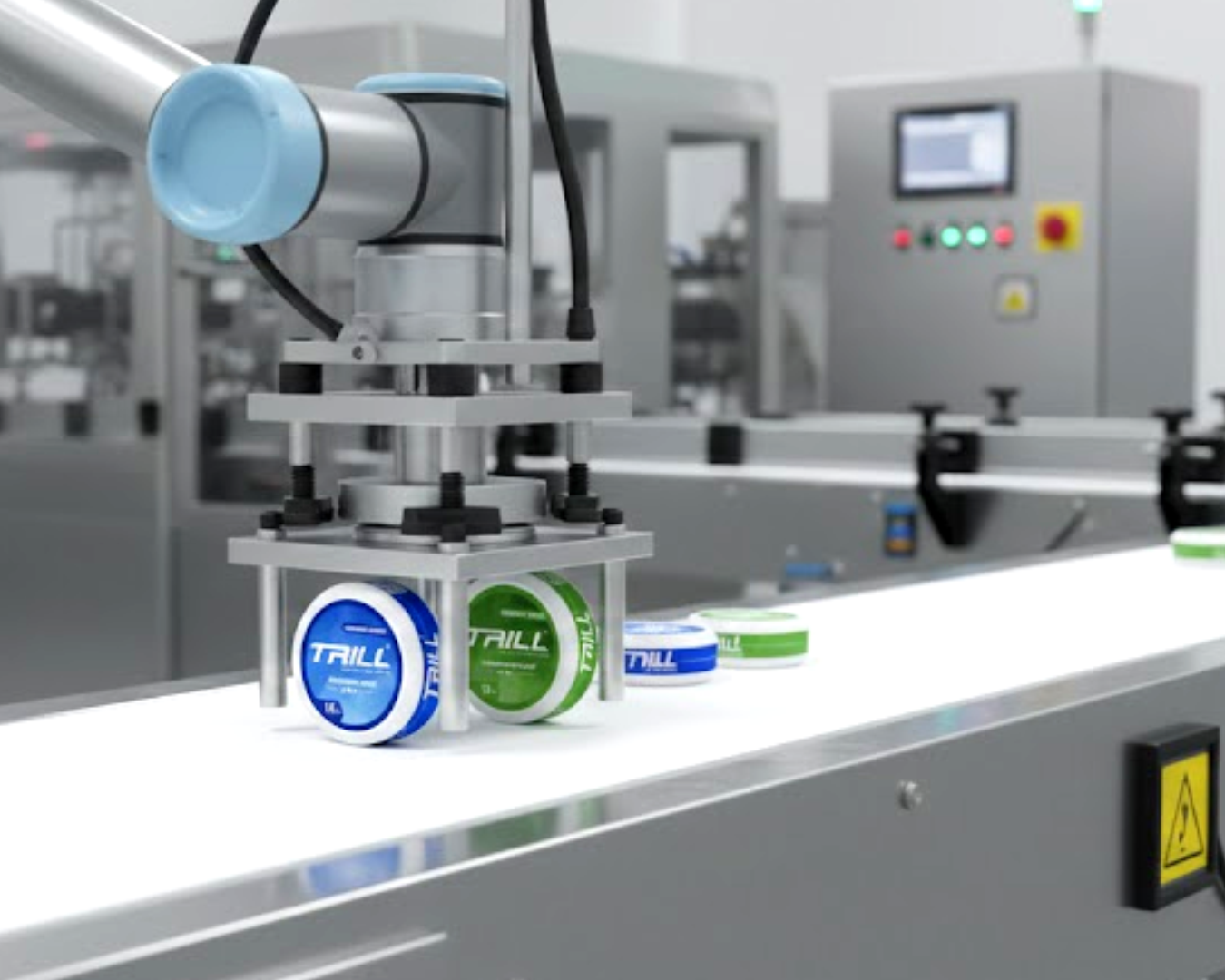
- Pouch Packaging & Sealing
Once blended, the material is portioned into small, permeable pouches, usually made from soft, non-woven plant-based fibers. These pouches allow saliva to activate the contents while keeping the filler contained.
Each pouch is:
Precisely weighed
Sealed for uniformity
Inspected for consistency
Key Ingredients in Nicotine Pouches
While formulations may vary, most nicotine pouches include:
Nicotine (pharmaceutical or food grade)
Plant-based fibers (tobacco-free filler)
Food-grade flavorings
pH regulators
Moisture stabilizers
Importantly, quality nicotine pouches do not contain tobacco leaf, smoke, or combustion byproducts.
Quality Control & Manufacturing Standards
- Clean Manufacturing Environments
Leading manufacturers produce nicotine pouches in controlled, hygienic facilities following strict cleanliness protocols to reduce contamination risks.
- Batch Testing & Consistency Checks
Each production batch is tested to ensure:
Accurate nicotine strength
Uniform pouch weight
Stable moisture levels
This helps deliver a predictable and consistent experience for adult consumers.
- Regulatory & Compliance Considerations
Depending on the market, nicotine pouches must comply with:
Local consumer safety laws
Ingredient disclosure requirements
Labeling and packaging standards
Responsible brands ensure transparency and avoid unverified health claims.
Why Manufacturing Quality Matters
High manufacturing standards aren’t just about consistency—they help ensure:
Reliable nicotine delivery
Ingredient transparency
Reduced risk of contamination
Consumer confidence
Understanding how nicotine pouches are made allows adult users to make more informed choices when selecting products.
Final Thoughts: Choosing the Right Nicotine Pouch Brand
Nicotine pouches represent a modern, tobacco-free approach to nicotine consumption—but quality depends entirely on ingredients, manufacturing precision, and regulatory standards.
For those looking to explore premium nicotine pouches crafted with attention to quality and consistency, consider learning more about TRILL NICOTINE POUCHES.
Visit www.trillpouches.com
to explore their range and brand philosophyNicotine pouches have quickly become a popular smoke-free alternative for adult nicotine users seeking a cleaner, more discreet experience. But have you ever wondered how nicotine pouches are actually made, what ingredients go into them, and what quality standards ensure their safety and consistency?
In this guide, we’ll break down the manufacturing process of nicotine pouches, explore the key ingredients, and explain the quality controls and regulatory standards behind modern pouch production—without hype, misinformation, or unsafe claims.
What Are Nicotine Pouches?
Nicotine pouches are tobacco-free oral products designed to deliver nicotine without combustion, vapor, or smoke. They are placed between the upper lip and gum, where nicotine is absorbed through the oral mucosa.
Because they contain no tobacco leaf, nicotine pouches differ significantly from traditional smokeless products and cigarettes in how they are produced and regulated.
Step-by-Step: How Nicotine Pouches Are Made
- Pharmaceutical-Grade Nicotine Sourcing
The manufacturing process begins with high-purity nicotine, typically extracted from tobacco plants and then refined to remove impurities. Reputable manufacturers use pharmaceutical or food-grade nicotine, ensuring consistency and controlled potency.
Nicotine strength is carefully measured to provide a predictable experience and comply with applicable regulations.
- Creating the Pouch Fill Matrix
Instead of tobacco, nicotine pouches use a plant-based fiber matrix, commonly derived from cellulose. This material acts as the pouch filler and allows for:
Even nicotine distribution
Comfortable mouthfeel
Controlled moisture retention
The filler is blended to achieve a soft texture that sits discreetly under the lip without irritation.
- Adding Flavorings & Sensory Components
Food-grade flavorings are added to the pouch mixture to enhance taste and user experience. These may include mint, fruit, or neutral profiles, depending on the product line.
Manufacturers carefully balance:
Flavor intensity
pH levels (which influence nicotine release)
Moisture content
The goal is a consistent release of nicotine without overwhelming flavor or discomfort.
- pH Adjustment for Nicotine Release
The pH level inside a nicotine pouch plays a key role in how nicotine is absorbed. Food-safe pH regulators are added to optimize nicotine delivery while maintaining oral comfort.
This step is tightly controlled, as pH directly affects:
Nicotine absorption speed
Sensory experience
Product stability
- Pouch Packaging & Sealing
Once blended, the material is portioned into small, permeable pouches, usually made from soft, non-woven plant-based fibers. These pouches allow saliva to activate the contents while keeping the filler contained.
Each pouch is:
Precisely weighed
Sealed for uniformity
Inspected for consistency
Key Ingredients in Nicotine Pouches
While formulations may vary, most nicotine pouches include:
Nicotine (pharmaceutical or food grade)
Plant-based fibers (tobacco-free filler)
Food-grade flavorings
pH regulators
Moisture stabilizers
Importantly, quality nicotine pouches do not contain tobacco leaf, smoke, or combustion byproducts.
Quality Control & Manufacturing Standards
- Clean Manufacturing Environments
Leading manufacturers produce nicotine pouches in controlled, hygienic facilities following strict cleanliness protocols to reduce contamination risks.
- Batch Testing & Consistency Checks
Each production batch is tested to ensure:
Accurate nicotine strength
Uniform pouch weight
Stable moisture levels
This helps deliver a predictable and consistent experience for adult consumers.
- Regulatory & Compliance Considerations
Depending on the market, nicotine pouches must comply with:
Local consumer safety laws
Ingredient disclosure requirements
Labeling and packaging standards
Responsible brands ensure transparency and avoid unverified health claims.
Why Manufacturing Quality Matters
High manufacturing standards aren’t just about consistency—they help ensure:
Reliable nicotine delivery
Ingredient transparency
Reduced risk of contamination
Consumer confidence
Understanding how nicotine pouches are made allows adult users to make more informed choices when selecting products.
Final Thoughts: Choosing the Right Nicotine Pouch Brand
Nicotine pouches represent a modern, tobacco-free approach to nicotine consumption—but quality depends entirely on ingredients, manufacturing precision, and regulatory standards.
For those looking to explore premium nicotine pouches crafted with attention to quality and consistency, consider learning more about TRILL NICOTINE POUCHES.
Visit www.trillpouches.com to explore their range and brand philosophy